Understanding Indoor Air Pollution at Home
Indoor air pollution at home is often less visible than smog or exhaust fumes outside, yet it can be just as harmful to long-term health. Modern homes are increasingly airtight, filled with synthetic materials, and packed with consumer products that release chemicals into the air. As a result, the indoor air quality in many apartments and houses can be significantly worse than the air outdoors, even in urban environments.
Indoor air pollution refers to the presence of harmful particles and gases in the air inside a building. Common sources include cleaning products, building materials, furniture, tobacco smoke, mold, cooking fumes, and even printers or scented candles. These pollutants can irritate the lungs, aggravate allergies, and increase the risk of chronic disease over time.
Because people spend a large proportion of their lives at home—especially sleeping hours—the quality of the air in the living room, bedroom, and kitchen becomes a critical, yet often underestimated, component of overall health.
The Hidden Health Risks of Poor Home Air Quality
Poor indoor air quality has both immediate and long-term health consequences. Symptoms can be subtle and easily mistaken for stress, a cold, or seasonal allergies. Over time, continuous exposure to indoor air pollution can contribute to serious respiratory and cardiovascular diseases.
Short-term effects may include:
- Eye, nose, and throat irritation
- Coughing, wheezing, or shortness of breath
- Headaches and dizziness
- Fatigue and difficulty concentrating
- Worsening of asthma or allergy symptoms
Long-term exposure to high levels of indoor pollutants is associated with:
- Chronic bronchitis and other respiratory diseases
- Increased risk of asthma in children
- Cardiovascular disease
- Lung cancer, particularly from radon and tobacco smoke
- Potential effects on fertility and fetal development
Some individuals are particularly vulnerable: infants, young children, pregnant women, older adults, and people with asthma, COPD, or cardiovascular conditions. For these groups, even moderate levels of indoor air pollution can trigger significant health problems.
Main Sources of Indoor Air Pollution at Home
Indoor air pollution does not come from a single source. Instead, it is the result of many small contributors that gradually degrade home air quality. Understanding these sources is the first step toward effective protection.
Volatile Organic Compounds (VOCs)
VOCs are gases emitted from certain solids and liquids commonly found in homes. Products that can release VOCs include:
- Paints, varnishes, and solvents
- Adhesives and glues
- New furniture, carpets, and vinyl flooring
- Air fresheners and scented candles
- Cleaning and disinfecting products
Some VOCs, such as formaldehyde and benzene, are known or suspected carcinogens. Others may cause headaches, dizziness, or irritation of the eyes and respiratory tract. Levels are often highest after renovation work or when new furniture is installed.
Particulate Matter (PM2.5 and PM10)
Particulate matter is a mix of tiny solid and liquid particles suspended in the air. In homes, fine particles (PM2.5) can come from:
- Cooking, especially frying and grilling
- Burning candles or incense
- Fireplaces and wood-burning stoves
- Tobacco smoke or vaping aerosols
- Outdoor pollution entering through doors and windows
These small particles can penetrate deep into the lungs and even enter the bloodstream, contributing to respiratory and cardiovascular disease.
Mold and Biological Allergens
Moisture is a key driver of biological indoor air pollution. When humidity is high or water damage occurs, mold can develop on walls, ceilings, windows, and even in hidden areas behind furniture. Mold spores, dust mites, pet dander, and pollen are common triggers for allergies and asthma.
Symptoms of exposure include sneezing, runny nose, itchy eyes, coughing, and wheezing. Prolonged exposure in a damp, moldy home can worsen asthma and may contribute to more serious respiratory conditions.
Radon Gas
Radon is a naturally occurring radioactive gas that can seep into homes from the ground, particularly in certain geographic regions. It is colorless, odorless, and tasteless, and it can accumulate in basements and lower floors. Long-term exposure to radon is a leading cause of lung cancer in non-smokers.
Combustion and Heating Sources
Unvented or poorly maintained heating systems can release carbon monoxide (CO), nitrogen dioxide (NO2), and other harmful gases. Sources include:
- Gas stoves and ovens
- Kerosene or gas heaters
- Wood- or coal-burning stoves and fireplaces
Carbon monoxide poisoning can be acute and life-threatening, while nitrogen dioxide contributes to respiratory irritation and decreased lung function.
How to Recognize Signs of Indoor Air Pollution
Unlike visible outdoor smog, indoor air pollution at home is often invisible. However, certain signs can suggest that your home air quality is compromised:
- Persistent musty smells, especially in basements or bathrooms
- Condensation on windows and surfaces, indicating high humidity
- Frequent respiratory symptoms that improve when you leave the house
- Visible mold spots on walls, ceilings, or around windows
- Increased dust accumulation despite regular cleaning
- Headaches or fatigue that are more intense at home
In addition to paying attention to these signals, some people choose to use indoor air quality monitors. These devices can measure parameters such as particulate matter, carbon dioxide, VOCs, temperature, and humidity, providing a clearer picture of what you are breathing.
Practical Strategies to Reduce Indoor Air Pollution at Home
Improving home air quality does not necessarily require major renovation work or expensive equipment. Many effective actions are simple, low-cost, and based on daily habits. The aim is to both reduce sources of pollution and enhance ventilation and filtration.
Increase Natural Ventilation
Ventilation is one of the most effective ways to dilute indoor air pollutants:
- Open windows for 10–15 minutes several times a day, especially during and after cooking or cleaning.
- Cross-ventilate by opening windows on opposite sides of the home when outdoor air quality is acceptable.
- Use exhaust fans in bathrooms and kitchens to remove steam and cooking fumes directly outdoors.
Control Humidity and Prevent Mold
Maintaining indoor humidity between 40% and 60% helps limit mold growth and dust mites:
- Use a dehumidifier in damp rooms such as basements.
- Repair leaks in roofs, walls, or plumbing quickly.
- Dry wet surfaces and materials within 24–48 hours after water damage.
- Avoid drying laundry indoors when possible, or ventilate well if you do.
Choose Low-Emission Products and Materials
When renovating or buying furniture, prioritize materials and products with low VOC emissions:
- Opt for paints and varnishes labeled low-VOC or zero-VOC.
- Choose solid wood or certified low-emission furniture when possible.
- Air out new furniture and mattresses for several days in a well-ventilated room before use.
- Limit the use of air fresheners, scented candles, and incense.
Rethink Cleaning Habits
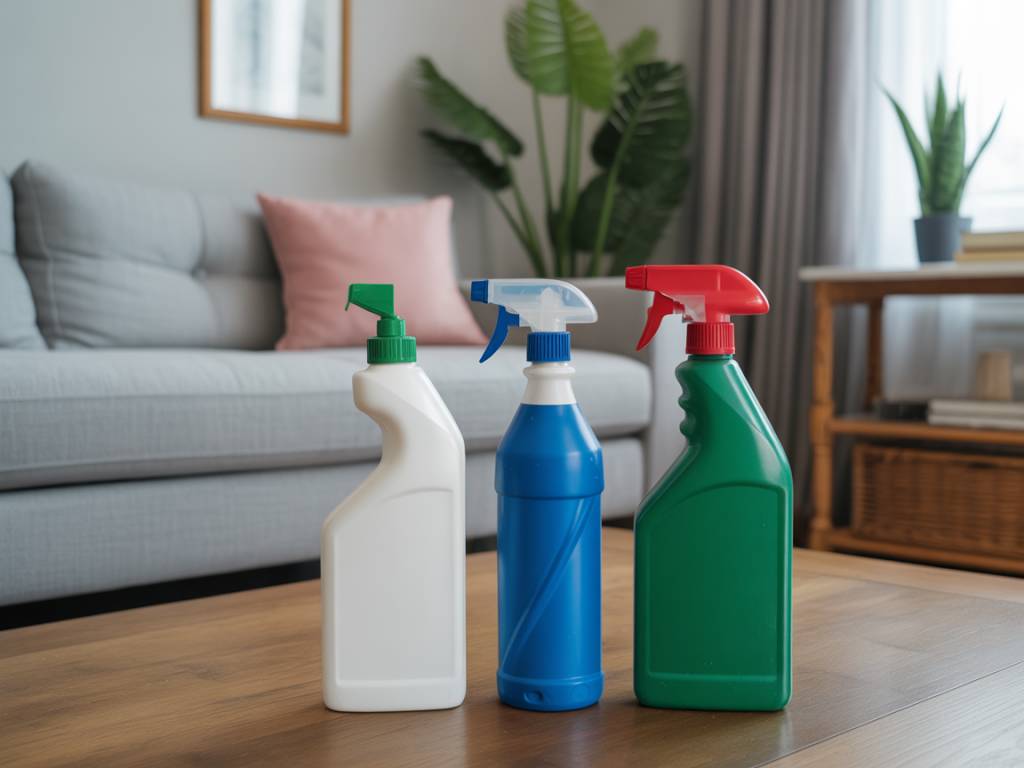
Many cleaning products contain solvents, fragrances, and other chemicals that contribute to indoor air pollution:
- Use fragrance-free or low-chemical cleaning products when possible.
- Avoid mixing different cleaners, especially bleach and ammonia.
- Clean with simple ingredients such as soap, vinegar (where appropriate), and water for everyday tasks.
- Always ventilate during and after cleaning.
Reduce Smoke and Combustion Pollutants
Smoke from any source significantly degrades indoor air quality:
- Do not smoke indoors; encourage guests to smoke outside and away from windows.
- Ensure chimneys, fireplaces, and wood stoves are regularly inspected and cleaned.
- Use a range hood vented to the outside when cooking, especially when frying or grilling.
- Never use outdoor grills, barbecues, or generators inside or in enclosed spaces.
Use Air Purifiers Strategically
Air purifiers can help reduce particulate matter and some allergens, particularly in bedrooms or living rooms where you spend the most time:
- Choose a device with a HEPA filter for fine particles and allergens.
- Size the air purifier appropriately for the room.
- Change filters according to the manufacturer’s recommendations.
- Remember that purifiers complement but do not replace ventilation and source control.
Protecting Vulnerable Individuals in the Household
Certain members of the household may require additional protection from indoor air pollution. This is particularly true for children, whose lungs are still developing, and for people with chronic respiratory or heart disease.
For these individuals, consider:
- Prioritizing an air purifier in their bedroom.
- Keeping pets out of sleeping areas if pet dander is a trigger.
- Using dust-mite-proof covers on mattresses and pillows for allergy sufferers.
- Vacuuming with a HEPA-filter vacuum cleaner and damp dusting surfaces regularly.
- Monitoring indoor humidity carefully and addressing dampness promptly.
Healthcare professionals can offer tailored advice, especially for people with asthma or severe allergies. In some cases, improving indoor air quality can significantly reduce the need for medication or emergency care.
Building a Long-Term Strategy for Healthy Indoor Air
Addressing indoor air pollution at home is not a one-time project; it is an ongoing process that involves awareness, habits, and sometimes investment in better equipment or materials. A helpful approach is to think in terms of three pillars: reduce sources, improve ventilation, and filter where necessary.
Creating a simple checklist for your home environment can be useful. Regularly review aspects such as cleaning products used, ventilation routines, humidity control, and maintenance of heating systems. Over time, these small, consistent actions can transform the indoor environment into a safer, healthier space.
In an era where people spend so much time indoors, especially in energy-efficient, tightly sealed homes, indoor air quality becomes a central component of preventive health. Paying attention to what you breathe at home is an investment not only in comfort, but also in long-term physical and mental well-being.