
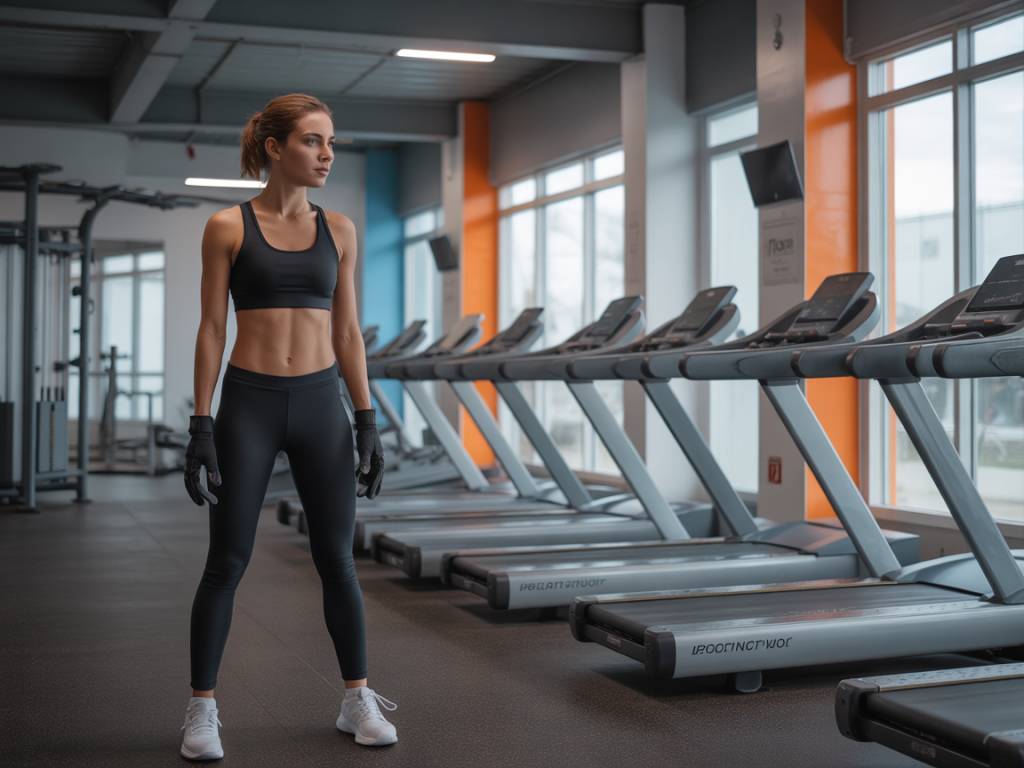
Understanding Indoor Air Pollution in Fitness Centers
Most people associate gyms with health, energy, and physical performance. Yet, behind the smell of disinfectant and the hum of treadmills, there is a less visible reality: indoor air pollution. Modern fitness centers can accumulate a surprising mix of airborne contaminants. These pollutants, often intensified by heavy breathing during exercise, may affect your lungs, heart, and overall workout performance.
Indoor air pollution at the gym comes from multiple sources: poor ventilation, high occupancy, cleaning products, building materials, and even the equipment itself. When these factors combine with intense physical activity, the dose of pollutants that reaches your respiratory system can become significant.
Why Indoor Air Quality Matters More During Exercise
During a workout, your breathing rate and depth increase, especially during cardiovascular activities such as running, cycling, or high-intensity interval training. You inhale more air per minute, meaning you also inhale more of whatever is in that air. At the same time, you tend to breathe more through your mouth than your nose, bypassing a natural filtration system.
Poor indoor air quality in gyms has two main implications:
For people with asthma, allergies, cardiovascular disease, or other chronic conditions, this combination can worsen symptoms, trigger respiratory events, or reduce exercise tolerance. Even healthy individuals may experience reduced performance, fatigue, headaches, or throat irritation when training in polluted indoor environments.
Main Sources of Indoor Air Pollution at the Gym
Gyms and fitness studios are unique environments, with specific pollution patterns that differ from offices, schools, or homes. Several categories of pollutants tend to accumulate in these spaces.
Particulate Matter (PM2.5 and PM10)
Particulate matter is one of the most concerning components of indoor air pollution. It refers to tiny particles suspended in the air, often measured as PM10 (coarse particles) and PM2.5 (fine particles). In gyms, particulate matter can come from:
Fine particles are small enough to penetrate deep into the lungs and may even enter the bloodstream, contributing to inflammation, oxidative stress, and cardiovascular strain.
Volatile Organic Compounds (VOCs) and Chemical Emissions
Gyms are often heavily treated with cleaning sprays, disinfectants, deodorizers, and air fresheners to control odors and minimize infection risk. Many of these products release volatile organic compounds (VOCs), which can linger in the indoor air.
Common sources of VOCs in fitness centers include:
Exposure to VOCs is associated with symptoms such as headaches, eye and throat irritation, dizziness, and, in some cases, exacerbation of asthma or allergic conditions. Long-term exposure to certain VOCs has been linked to more serious health effects.
Carbon Dioxide and Poor Ventilation
Crowded gyms, especially during peak hours, can experience elevated levels of carbon dioxide (CO₂). While CO₂ itself at typical indoor levels is not a toxic gas, its concentration is a strong indicator of how well a space is ventilated.
High CO₂ levels often mean that:
For people engaged in high-intensity exercise, inadequate ventilation can reduce comfort and potentially limit performance by affecting perceived exertion and recovery.
Biological Contaminants: Bacteria, Viruses, and Mold
Sweat, moisture, and close human contact create favorable conditions for biological contaminants in gyms. Although the focus is often on surface hygiene, airborne biological particles also play a role in indoor air quality.
Key biological sources include:
During intense exercise, people breathe harder and may expel more droplets. In spaces with inadequate ventilation or overcrowding, this can increase the risk of respiratory infections. Mold spores and certain bacteria may also aggravate asthma or cause allergic reactions.
Ozone and by-products from Indoor Disinfection Technologies
Some gyms use ozone generators, ionizers, or certain types of air purifiers to “sanitize” indoor air. Improperly controlled, these devices can generate reactive gases that irritate the respiratory system.
Ozone, in particular, is a well-known lung irritant. It may:
When combined with VOCs from cleaning products or materials, ozone can also create new secondary pollutants, adding another layer of complexity to indoor air chemistry.
Health Effects of Training in Polluted Indoor Air
The health impact of indoor air pollution at the gym depends on the type and concentration of pollutants, duration of exposure, individual sensitivity, and the intensity of exercise. Some effects are immediate and noticeable, while others are subtle and develop gradually over time.
Short-term symptoms may include:
Longer-term exposure, especially for frequent gym-goers, staff members, and professional athletes training mostly indoors, may contribute to:
Although research is still developing, several studies have shown that poor indoor air quality can negatively influence performance metrics, including endurance, perceived exertion, and recovery time.
How Gyms Can Improve Indoor Air Quality
Fitness center managers and owners have a critical role in minimizing indoor air pollution. Many interventions are relatively straightforward and can significantly reduce exposures without compromising hygiene or user comfort.
Effective strategies include:
Transparent communication about these measures can also help reassure members that their health and safety are prioritized.
What Gym Users Can Do to Protect Their Health
While you cannot redesign the ventilation system of your fitness center, you can take steps to reduce your exposure to indoor air pollution and make more informed choices about where and how you train.
Practical tips include:
For individuals with asthma, chronic obstructive pulmonary disease (COPD), cardiovascular disease, or severe allergies, discussing indoor exercise options and air quality concerns with a healthcare professional is advisable.
Looking Ahead: Rethinking “Healthy” Indoor Exercise Spaces
The concept of a “healthy gym” is evolving. Modern fitness environments are not just about equipment, group classes, and aesthetics; they must also prioritize clean, well-ventilated air. The growing attention to indoor air pollution, especially after recent global health crises, is reshaping how architects, engineers, and gym operators think about ventilation, filtration, and building materials.
For gym users, awareness is the first step. Understanding how hidden contaminants can affect your breathing, endurance, and long-term health can help you make smarter decisions about where and how you work out. As more people recognize that indoor air quality is an essential component of fitness, pressure will grow on the industry to invest in safer, cleaner, and truly health-oriented training environments.