Why Cleaning Products Are a Hidden Source of Indoor Air Pollution
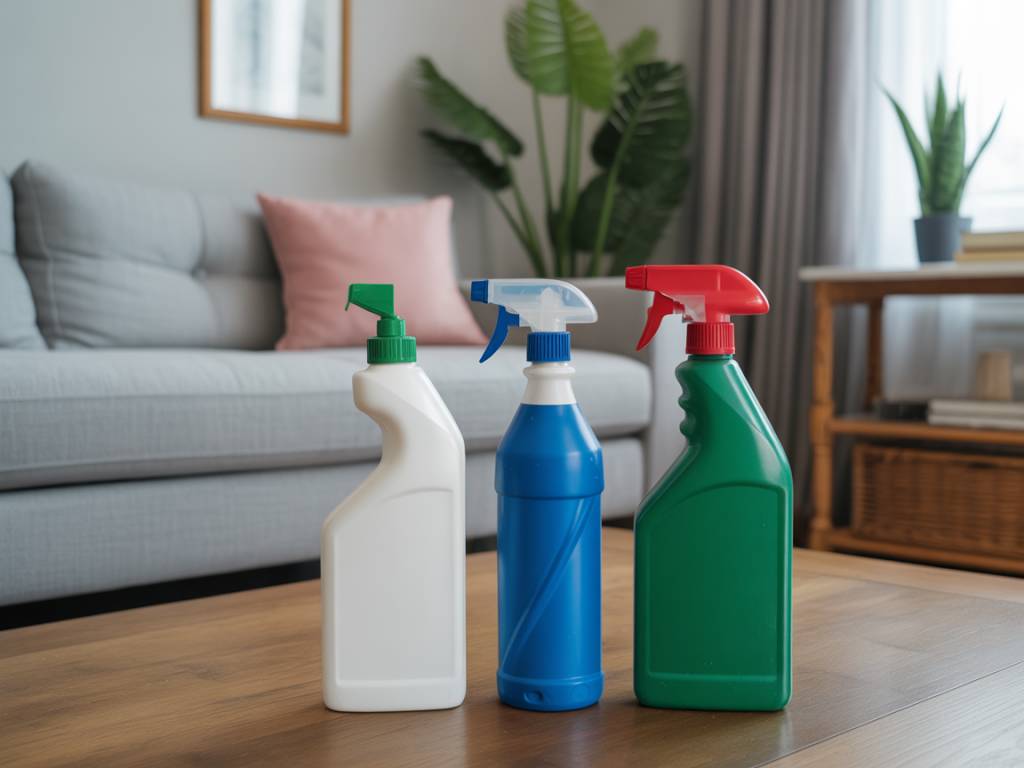
Most people associate air pollution with traffic, factories, or wildfires. Yet some of the most significant sources of indoor air pollution are much closer to home: everyday cleaning products. Sprays, disinfectants, detergents, air fresheners, and polishes all release complex mixtures of chemicals into the air we breathe.
These substances do more than irritate your nose or lungs. An increasing body of research suggests that certain ingredients in common cleaners can interfere with hormones, influence metabolic health, and contribute to long-term chronic disease risk. Understanding how these products affect indoor air quality and endocrine function is an important step toward creating a healthier home.
What Is Indoor Air Pollution from Cleaning Products?
Indoor air pollution refers to the build-up of substances in indoor environments—homes, offices, schools—that can harm human health. Because modern buildings are often tightly sealed for energy efficiency, pollutants released indoors can linger and accumulate, especially when windows are closed and ventilation is limited.
Cleaning products contribute to indoor air pollution in several ways:
For many households, cleaning and disinfecting are daily activities. This means that even small exposures can add up over time, especially in poorly ventilated rooms such as bathrooms and kitchens.
Key Chemicals in Cleaning Products That Pollute Indoor Air
Not all cleaning products pose the same risks. The health impact of indoor air pollution depends on the specific ingredients, their concentrations, how long and how often they are used, and the ventilation conditions. Some of the most studied and concerning categories include:
Volatile Organic Compounds (VOCs)
VOCs are chemicals that readily evaporate at room temperature. Many cleaning agents emit VOCs, including:
When released into indoor air, VOCs can:
Fragrances and “Scented” Cleaners
Synthetic fragrances are one of the most common ingredients in household cleaners and air fresheners. They are used to mask chemical odors and to create a perception of cleanliness. The problem is that “fragrance” on a label can represent dozens or even hundreds of unlisted compounds.
Fragrance mixtures often contain:
Studies have found that “scented” products can release a range of hazardous air pollutants, even when marketed as green or natural. For sensitive individuals, fragrance exposure can lead to migraines, asthma symptoms, and hormonal concerns if phthalates are present.
Phthalates and Endocrine Disruption
Phthalates are plasticizers and solvent-like compounds used in many consumer products, particularly to make fragrances last longer. They are considered endocrine-disrupting chemicals (EDCs) because they can interfere with the body’s hormone systems.
Potential hormone-related effects of phthalate exposure include:
Phthalates do not stay bound to products; they migrate into the air and dust. Inhalation of indoor air and ingestion of dust are significant routes of exposure, particularly for children who crawl, play on the floor, and frequently put their hands in their mouths.
Quaternary Ammonium Compounds and Disinfectants
Quaternary ammonium compounds (“quats”) are widely used disinfectants found in antibacterial sprays, wipes, and some fabric softeners. They are valued for their germ-killing properties but are increasingly scrutinized for respiratory and reproductive impacts.
Evidence suggests that:
Parabens, Preservatives, and Hormone Balance
Parabens are preservatives used to prevent microbial growth in water-containing products. While more commonly discussed in the context of cosmetics, some cleaning and personal care products also contain parabens.
Parabens can mimic estrogen in the body and are classified as weak endocrine disruptors. Their potential health effects include:
Although the hormone-disrupting strength of parabens is lower than some other chemicals, their ubiquity raises questions about chronic exposure, particularly in combination with other EDCs.
How Indoor Air Pollutants Affect Hormones and Metabolic Health
Endocrine-disrupting chemicals do not usually cause immediate, dramatic symptoms. Their effects are often subtle, delayed, and influenced by the timing and duration of exposure. Fetuses, infants, children, and adolescents are especially vulnerable because their hormonal systems are actively guiding growth and development.
Indoor air pollutants from cleaning products can influence hormones in several ways:
Research has associated exposure to certain household chemicals with:
Who Is Most at Risk from Indoor Air Pollution Linked to Cleaning Products?
While everyone is exposed to indoor air pollution to some extent, some groups are more vulnerable:
Practical Strategies to Reduce Indoor Air Pollution from Cleaning Products
Improving indoor air quality does not require giving up cleanliness or hygiene. Instead, it involves making more informed choices and adopting practices that limit unnecessary chemical exposure.
Choose Safer Cleaning Products
When selecting products, pay attention to:
Ventilation: Simple but Powerful
Dilution is one of the most effective strategies to reduce indoor air pollution.
Rethink Disinfection and “Deep Cleaning”
Routine disinfection of every surface is rarely necessary in ordinary homes. Overuse of strong disinfectants increases indoor chemical loads without substantially improving health outcomes for most families.
Use Simpler, Lower-Toxicity Ingredients When Possible
Traditional, simple ingredients can often do the job with fewer emissions:
However, “natural” or DIY does not always equal safe; highly concentrated essential oils, for instance, can also be irritants and emit VOCs. Moderation and good ventilation remain important.
Regulation, Labels, and What They Do Not Tell You
Regulation of cleaning product ingredients varies by country and region, but several gaps are common:
Consumers looking to reduce indoor air pollution and hormone-disrupting exposures often need to look beyond marketing terms such as “green,” “eco,” or “natural,” and focus instead on transparency and evidence-based certifications.
When to Discuss Indoor Air Quality with a Health Professional
It can be difficult to link specific symptoms directly to indoor air pollution from cleaning products. Nevertheless, certain situations merit a discussion with a health professional:
Clinicians familiar with environmental health can guide testing when appropriate, offer symptom management strategies, and help prioritize exposure reduction.
Creating Healthier Indoor Environments
Indoor air pollution from cleaning products is a modifiable risk factor. While it is not possible to eliminate all chemical exposure, especially in modern urban environments, individuals and families can significantly reduce inhalation of harmful ingredients by:
As research on endocrine-disrupting chemicals and indoor air pollution continues to evolve, the core message remains consistent: small, practical changes in how we clean and freshen our homes can have meaningful, long-term benefits for respiratory health, hormone balance, and overall well-being.