If you live in Cheshire or you’re visiting the area, you may have noticed how popular massage therapy has become. That’s not a surprise. Between long work hours, desk-based routines, gym sessions, family life, and the general pace of modern living, many people are looking for ways to recover better and feel more balanced. Massage can help with that.
But not every massage is the same. A relaxing spa-style treatment, a sports massage, and a deep tissue session all serve different purposes. And if you want real benefits, choosing the right therapist matters just as much as choosing the right type of massage.
So, what exactly can massage do for your body and mind? Which styles are most common in Cheshire? And how do you know whether a therapist is actually the right fit for you? Let’s break it down simply.
What massage therapy can do for your body
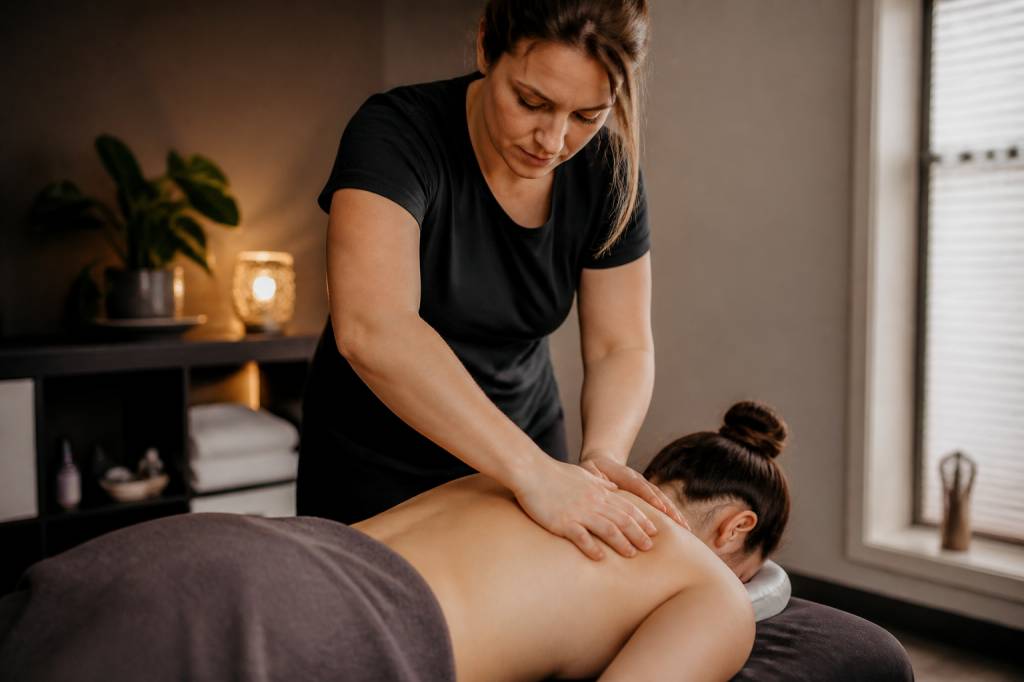
Massage is often thought of as a luxury, but it can also be a practical health tool. When performed by a trained therapist, it may help ease muscle tension, improve circulation, reduce stress, and support recovery after physical activity.
For many people, the biggest benefit is simple: they feel better. Tighter shoulders loosen up. A stiff lower back becomes more manageable. Sleep sometimes improves. Stress levels can drop. And when the body feels less strained, daily life tends to feel easier too.
Research suggests that massage may support relaxation by lowering stress hormones and encouraging the parasympathetic nervous system, the part of the body responsible for “rest and digest.” In plain English: it helps the body stop acting like it is being chased by a deadline, a traffic jam, and a thousand emails all at once.
Main benefits of massage in Cheshire
The benefits of massage are broad, but some are especially relevant for people dealing with active, busy, or sedentary lifestyles.
- Reduced muscle tension: Massage can help relieve tightness in areas like the neck, shoulders, back, and calves.
- Improved recovery: It may support recovery after exercise by increasing blood flow and reducing the feeling of stiffness.
- Stress relief: A good session can calm the nervous system and help you mentally switch off.
- Better sleep: Many people find it easier to sleep well after massage, especially when stress or physical discomfort has been building up.
- Greater mobility: Releasing tension in muscles and connective tissue may help you move more freely.
- Support for chronic discomfort: Some people with ongoing aches and pains find massage useful as part of a wider care plan.
Of course, massage is not magic. It is not a replacement for medical treatment when something is seriously wrong. But as part of a preventive health routine, it can be a very useful piece of the puzzle.
Different types of massage you may find in Cheshire
One of the biggest mistakes people make is booking a massage without knowing what kind they actually need. If you want to relax, a sports massage may feel unnecessarily intense. If you are trying to recover from a hard training block, a gentle aromatherapy massage might not be enough.
Here are some of the most common types of massage you’re likely to come across in Cheshire.
Swedish massage
Swedish massage is one of the most popular options for general relaxation. It uses long, flowing strokes, kneading, and circular movements to promote relaxation and ease mild muscle tension.
This is often a great choice if you are new to massage or simply want to unwind. It is usually gentler than deep tissue work, making it suitable for people who prefer a softer touch.
Deep tissue massage
Deep tissue massage targets deeper layers of muscle and connective tissue. It is often used for persistent tension, knots, and areas that feel tight from repetitive movement or poor posture.
This style can be helpful if you spend hours at a computer, lift weights regularly, or carry stress in your upper back and neck. It can also feel more intense than Swedish massage, so good communication with your therapist is key.
A useful rule of thumb: deep tissue should feel like productive pressure, not like you are being attacked by a determined elbow.
Sports massage
Sports massage is designed for people who exercise regularly, whether that means running, cycling, football, gym training, or just keeping up with active weekends. It may focus on preventing injury, improving flexibility, and helping muscles recover after training.
This type of massage can include more targeted techniques and may vary depending on whether you are preparing for an event, recovering afterward, or dealing with a specific issue like tight hamstrings or calf strain.
Aromatherapy massage
Aromatherapy massage combines massage with essential oils, often chosen for relaxation, mood support, or a calming sensory experience. The massage itself is usually lighter to moderate in pressure.
This can be a good option if stress is the main issue and you want a treatment that feels soothing from start to finish. That said, anyone with sensitive skin, allergies, or asthma should ask about the oils used before booking.
Hot stone massage
Hot stone massage uses warmed stones placed on the body and sometimes incorporated into the massage strokes. The heat can help muscles relax, making the massage feel especially comforting.
People often choose this style during colder months or when they feel physically tense and mentally drained. It can be very relaxing, but it is not usually the best option if you prefer a more active, hands-on treatment.
Pregnancy massage
Pregnancy massage is adapted specifically for pregnant clients. The therapist uses safe positioning and techniques to help reduce discomfort, ease tension, and support relaxation.
This can be particularly helpful for lower back pain, swollen legs, and general fatigue. However, it is important to choose a therapist with proper training in pregnancy massage and to mention any medical concerns before the session.
How to choose the right therapist in Cheshire
The therapist you choose can make the difference between a massage that feels average and one that genuinely helps. A skilled therapist does more than apply pressure. They listen, assess your needs, adjust technique, and make sure you feel safe throughout the session.
Here’s what to look for.
Check qualifications and training
Not all massage therapists have the same background. Look for someone who has recognised training in massage therapy, anatomy, and client care. If you are seeking something specific, such as sports massage or pregnancy massage, check that they have extra training in that area.
Qualifications do matter. A therapist should know how to work with muscles safely and understand when massage is appropriate and when it is not.
Look for relevant experience
Experience with your specific concern can be very helpful. For example, a therapist who often works with runners may be better suited to treat calf tightness, shin issues, or hamstring tension than someone who only offers general relaxation massage.
If you have chronic pain, a past injury, or a medical condition, ask whether the therapist has experience supporting clients with similar needs.
Read reviews with a practical eye
Reviews can be useful, but look beyond vague comments like “amazing!” or “great experience.” More helpful feedback usually mentions things like professionalism, communication, pressure level, comfort, and whether the therapist listened to specific concerns.
For example, a review that says, “I came in with stiff shoulders and felt a noticeable difference after two sessions” tells you more than ten smiley faces ever could.
Ask about their approach
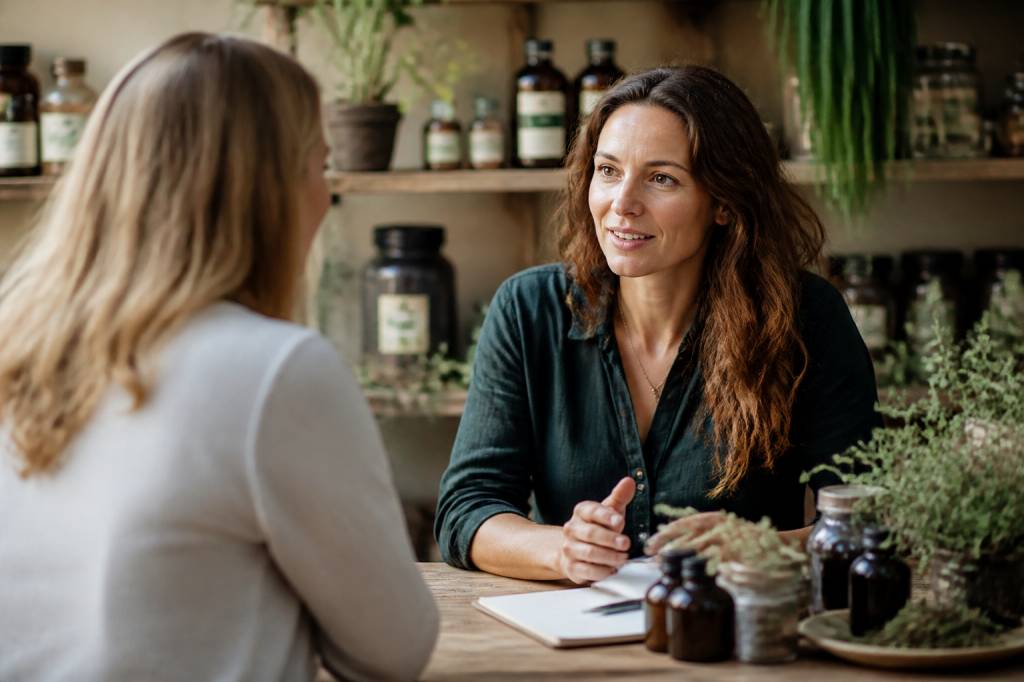
A good therapist should be able to explain how they work. Do they begin with a consultation? Will they ask about your goals, injuries, and pressure preference? Do they adapt the session based on your feedback?
You do not need to sound like an examiner, but a few direct questions can reveal a lot:
- What type of massage do you recommend for my issue?
- How do you adjust pressure during the session?
- Do you have experience with this condition or activity level?
- What should I expect after the massage?
- Are there any reasons I should avoid massage right now?
Pay attention to communication
The best massage therapists are good listeners. They should ask the right questions, explain what they are doing, and make space for feedback during the treatment.
If you say the pressure is too much, they should adjust it without making you feel awkward. If you mention an injury, they should take it seriously. If they rush the consultation or ignore your concerns before the massage even starts, that is a red flag.
Check hygiene and professionalism
This sounds obvious, but it matters. The treatment space should be clean, organised, and comfortable. Towels and equipment should look well maintained. The therapist should also act professionally, respect boundaries, and follow clear consent-based practice.
Massage is a close-contact treatment, so trust and comfort are essential. If something feels off, it probably is.
Know what your goals are before you book
Before choosing a therapist, think about what you actually want from the session. Your answer will help you pick the right person and the right massage style.
- If you want to relax: Swedish, aromatherapy, or hot stone massage may be ideal.
- If you have muscle tightness: Deep tissue or targeted therapeutic massage may suit you better.
- If you exercise a lot: A sports massage therapist may be the best fit.
- If you are pregnant: Look for a therapist trained in pregnancy massage.
- If you are unsure: Choose someone who offers an initial consultation and can guide you honestly.
Being clear about your goal saves time and helps the therapist tailor the session properly. It also reduces the chance of leaving feeling disappointed because you booked a relaxation massage when what you really needed was muscle work.
When massage may not be the right choice
Massage is generally safe for many people, but there are times when caution is needed. If you have a fever, an active infection, a recent fracture, unexplained swelling, a blood clot, or a serious medical condition, you should speak to a healthcare professional first.
Even in less severe cases, such as a recent injury or ongoing pain, it is wise to mention your symptoms before booking. A qualified therapist can tell you whether massage is appropriate or whether you should seek medical advice first.
What a good first session should feel like
If you have never had a massage before, it helps to know what a decent first session should look like. You should feel listened to, not rushed. The therapist should ask about your health history, your goals, and any areas of concern. They should explain what will happen and give you space to ask questions.
During the massage, pressure should be adjusted to your comfort level. Afterward, you may feel relaxed, a little sleepy, or slightly sore if deeper work was done. Mild soreness can happen, but sharp pain, bruising, or prolonged discomfort are not ideal.
Hydration, light movement, and rest afterward can help your body respond well to treatment.
How often should you get a massage?
There is no universal answer. Frequency depends on your goals, budget, lifestyle, and physical condition.
- For general stress relief: A monthly massage may be enough for many people.
- For sports recovery: Weekly or biweekly sessions may make sense during heavy training periods.
- For ongoing tension or pain: Your therapist may suggest a short series of treatments, then reassessment.
- For occasional self-care: Even the odd session can be beneficial if it helps you reset.
Think of massage as part of a wider health routine, not a one-off fix. It works best alongside movement, sleep, hydration, and sensible recovery habits.
Making the most of your massage
To get better results, arrive a little early, avoid rushing, and be honest about what you need. If you prefer lighter or firmer pressure, say so. If something feels uncomfortable, speak up. A good therapist will welcome the feedback.
After the session, notice how your body feels over the next day or two. Did your neck loosen up? Was your sleep better? Did a certain area feel more mobile? These details can help you decide whether the therapist and massage style were right for you.
In Cheshire, as in anywhere else, the best massage is the one that meets your needs, suits your body, and leaves you feeling better than when you walked in. And honestly, that is the whole point, isn’t it?