Why people in Warrington are turning to massage
Massage is no longer seen as a rare treat reserved for holidays, birthdays, or the occasional “I really need this” moment. In Warrington, more people are using massage as part of a practical, everyday approach to health and wellbeing. That makes sense. Modern life is busy, physical tension builds up fast, and stress has a way of showing up in the body long before we notice it in the mind.
Whether you spend most of your day sitting at a desk, standing on your feet, training hard at the gym, or juggling work and family life, massage can help your body reset. It is not magic, and it is not a cure-all, but it can be a valuable tool for easing tension, improving movement, and helping you feel more like yourself again.
If you have ever thought, “Do I really need a massage, or do I just need a nap and a glass of water?”, you are not alone. The answer, often, is that you may need both. Massage supports recovery and relaxation in a way that a quick rest sometimes cannot.
The main benefits of massage
The benefits of massage go beyond simply feeling relaxed for an hour. Different techniques can support different goals, but many people in Warrington seek massage for a few key reasons.
One of the most noticeable effects is simple: you move better. Tight muscles can make everyday tasks feel harder than they should. Turning your head while driving, bending to tie your shoes, or walking after a long workday can all become surprisingly unpleasant when your body is tense. Massage helps many people feel less restricted.
There is also a mental side. The combination of touch, slower breathing, and a quiet environment can signal to the nervous system that it is safe to switch down a gear. For some people, that is the first truly restful hour they have had all week. And no, answering emails while getting a massage does not count.
Common massage techniques you may find in Warrington
Not all massages are the same, and that is a good thing. The right technique depends on what you want from the session. Some people need deep work on stubborn tension, while others want a gentler experience to relax and unwind.
Swedish massage
Swedish massage is often the most familiar style. It uses flowing strokes, kneading, and circular movements to help the body relax. The pressure is usually light to moderate, making it a good choice if you are new to massage or want something soothing rather than intense.
This type of massage is commonly used for general relaxation, easing everyday tension, and improving circulation. If you have had a stressful week and want to feel more grounded, Swedish massage is often a solid place to start.
Deep tissue massage
Deep tissue massage focuses on deeper layers of muscle and connective tissue. The pressure is stronger, and the work can feel more targeted. It is often used for chronic tension, postural tightness, or areas that feel stubbornly “stuck.”
This technique is not about causing pain for the sake of it. A good therapist will work within your comfort level and adjust pressure as needed. Some discomfort can happen when muscles are especially tight, but communication matters. If it feels too intense, say so. A massage should never feel like a punishment for sitting badly at your desk.
Sports massage
Sports massage is popular with active people, but you do not need to be an athlete to benefit from it. It is designed to support movement, reduce muscle tightness, and help with recovery before or after physical activity.
In Warrington, this can be especially useful for runners, gym-goers, cyclists, and anyone who has a physically demanding routine. Sports massage may involve more focused work on certain muscle groups, stretching, and techniques that support performance and flexibility.
Trigger point therapy
Trigger point therapy targets small, tight areas in muscle tissue that can refer pain elsewhere in the body. These are often the spots people describe as “knots.”
For example, tension in the upper back may contribute to headaches or discomfort in the neck. A therapist may apply sustained pressure to help release these points. This approach can be very effective, although it may feel more focused than a general relaxation massage.
Hot stone massage
Hot stone massage uses warmed stones placed on the body or moved over muscles. The heat helps muscles relax more easily, which can make the treatment feel deeply calming.
This is a good option for people who carry a lot of tension but prefer a gentler touch. The warmth can be especially pleasant in colder months, when the body seems to spend half the day trying to shrug itself into a tighter shape.
What to expect before your massage
If it has been a while since your last massage, or this is your first one, a little uncertainty is normal. The process is usually simple and straightforward.
Before the session, your therapist will likely ask about your goals, any areas of pain or tension, your medical history, and whether you prefer light, medium, or firm pressure. This conversation matters more than people think. A good massage starts with understanding what your body needs.
You may also be asked about:
If you are unsure whether massage is suitable for you, it is always best to mention it in advance. A professional therapist can tell you whether adjustments are needed or whether you should check with a healthcare provider first.
What happens during the session
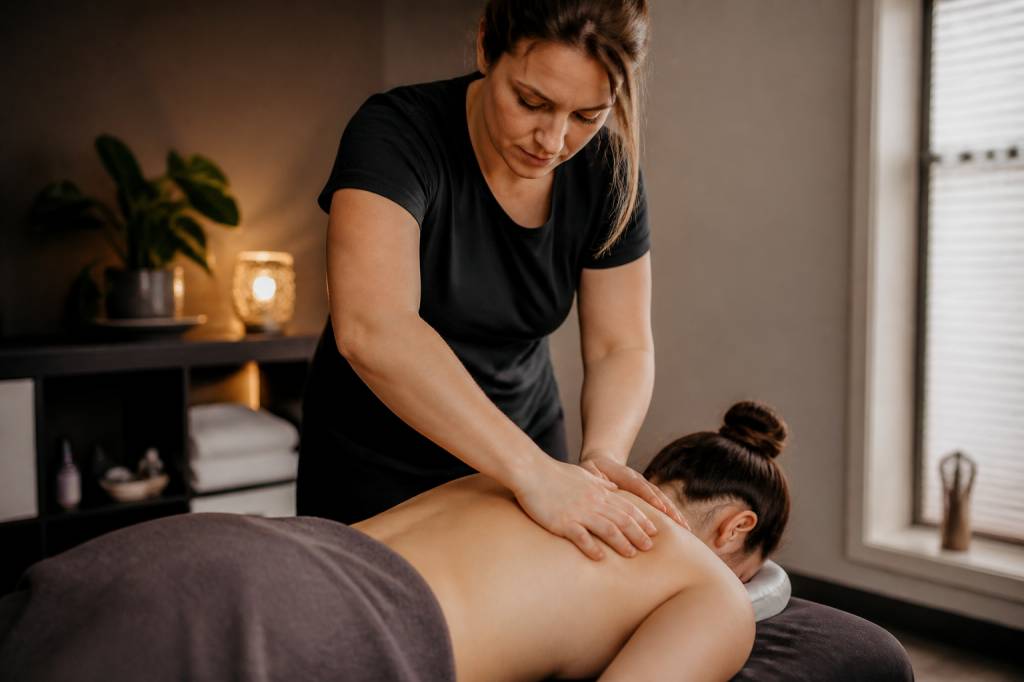
Once the massage begins, you will usually lie on a massage table, either fully or partially covered with a towel or sheet. Only the area being worked on is exposed. The room is generally warm, quiet, and designed to help you relax.
The therapist may start with lighter strokes to warm up the tissue before moving into deeper or more focused techniques. They will work around your goals, whether that is general relaxation, tension relief, or recovery support. Good communication is key. If the pressure is too strong, too light, or you would like more focus on a certain area, say so.
Many people worry about “doing massage wrong.” You are not. You do not need to perform, stay perfectly still, or know the names of every muscle in your back. The only thing you really need to do is breathe, relax as best you can, and give feedback when needed.
It is also normal to drift off during a massage. In fact, some people do. If your body decides this is the ideal moment for a nap, that is usually a sign it needed one.
How you may feel afterwards
Right after a massage, many people feel looser, calmer, and more mobile. Some feel energised, while others feel pleasantly sleepy. Both are normal.
You may also notice mild soreness, especially after a deep tissue or sports massage. This is usually short-lived and can happen when tight muscles are worked more thoroughly than they are used to. Drinking water, moving gently, and avoiding an intense workout right away can help.
Other useful aftercare tips include:
Some people feel the benefits immediately. Others notice them more gradually, especially if they have built-up tension or have not had massage before. It can take a few sessions for your body to fully settle into the process.
Who can benefit most from massage?
Massage can be helpful for a wide range of people, not just those with obvious muscle pain. In Warrington, typical reasons people book a session include:
It may also be useful if you are going through a busy life phase and simply feel worn down. Stress does not always announce itself with dramatic symptoms. Sometimes it shows up as shallow breathing, a clenched jaw, or that constant feeling of “I am tired, but wired.” Massage can help interrupt that pattern.
How to choose the right massage therapist in Warrington
Choosing the right therapist can make a big difference. A good massage should feel professional, personal, and clearly focused on your needs. Look for someone who listens, explains things clearly, and takes time to understand what you want from the session.
Useful things to consider include:
If you are new to massage, do not be shy about asking questions. A trustworthy therapist will be happy to explain how they work, what to expect, and how they adapt the session to your comfort level.
Massage as part of a wider wellbeing routine
Massage works best when it is part of a broader approach to health. It can support sleep, movement, recovery, and stress relief, but it is even more effective when paired with other healthy habits.
That might include regular walking, strength training, stretching, enough protein and fluids, and better sleep routines. If you spend hours hunched over a laptop and then hope one massage will erase all traces of modern life, the therapist may help, but your chair setup probably needs attention too.
Think of massage as one useful piece of the puzzle. It can help the body recover, but it also gives you a chance to notice recurring tension patterns and make small changes that support long-term wellbeing.
Final thoughts on getting a massage in Warrington
Massage in Warrington offers more than a temporary sense of pampering. Done well, it can support physical recovery, reduce stress, improve movement, and help you feel more connected to your body. The best part is that there is usually a style to match your needs, whether you want gentle relaxation or deeper work on stubborn tension.
If you have been putting it off because you are “too busy,” that may be exactly why it is worth considering. Sometimes the most productive thing you can do for your health is to stop, lie down, and let someone help your muscles unclench for an hour.
For many people, massage becomes less of an occasional treat and more of a regular part of staying well. And in a world that rarely tells us to slow down, that is no small thing.